


Planting & Bed Installation in St. Louis

Give your St. Louis property the perfect beds

Plantings matched to your property bring structure and seasonal color.

St. Louis ground is particular about what grows in it

Heavy clay, humid summers, and tough winters make St. Louis one of the trickier planting environments in the Midwest. Clay holds moisture long enough to rot susceptible roots in spring, then cracks and hardens through July when plants need water most. The species that perform here are built for this pattern, and the beds have to be constructed so they can do their job.

Benefits That Show

How it works

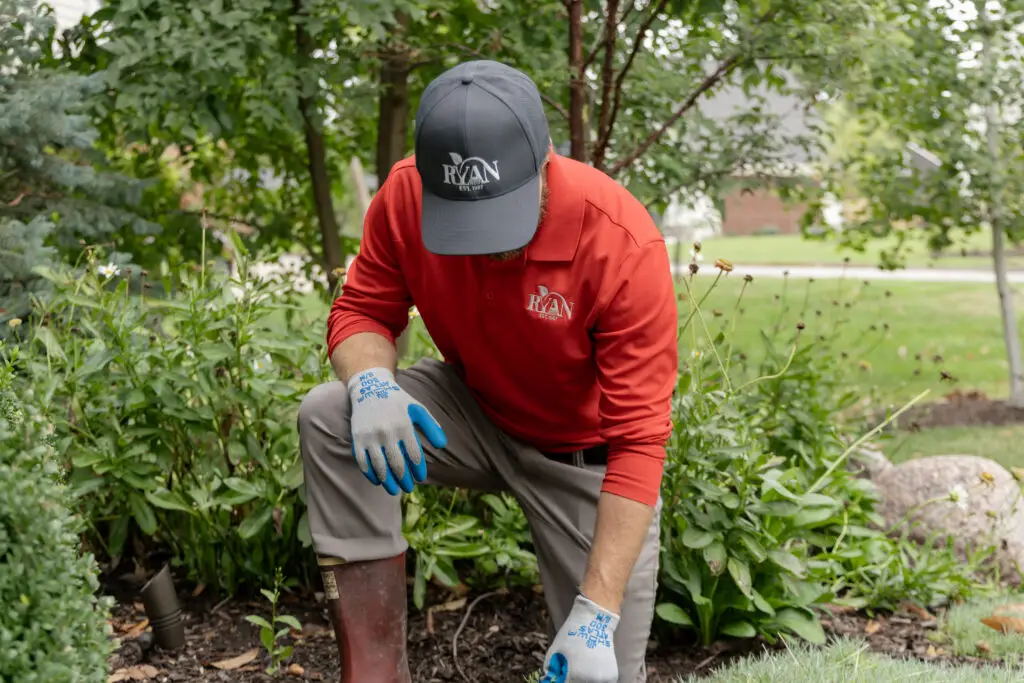
ryan pro helping a customer

Property Assessment

Drainage patterns, soil profile, light levels, and existing landscape elements are evaluated where new beds will go. Even within a single St. Louis yard, clay density and moisture behavior shift between the front and back yard.

Trees, shrubs, ornamental grasses, and perennials are selected for proven St. Louis performance. Humidity tolerance, clay toughness, and disease resistance all factor in, especially for beds boxed in by walls or fencing where air doesn’t move as freely.

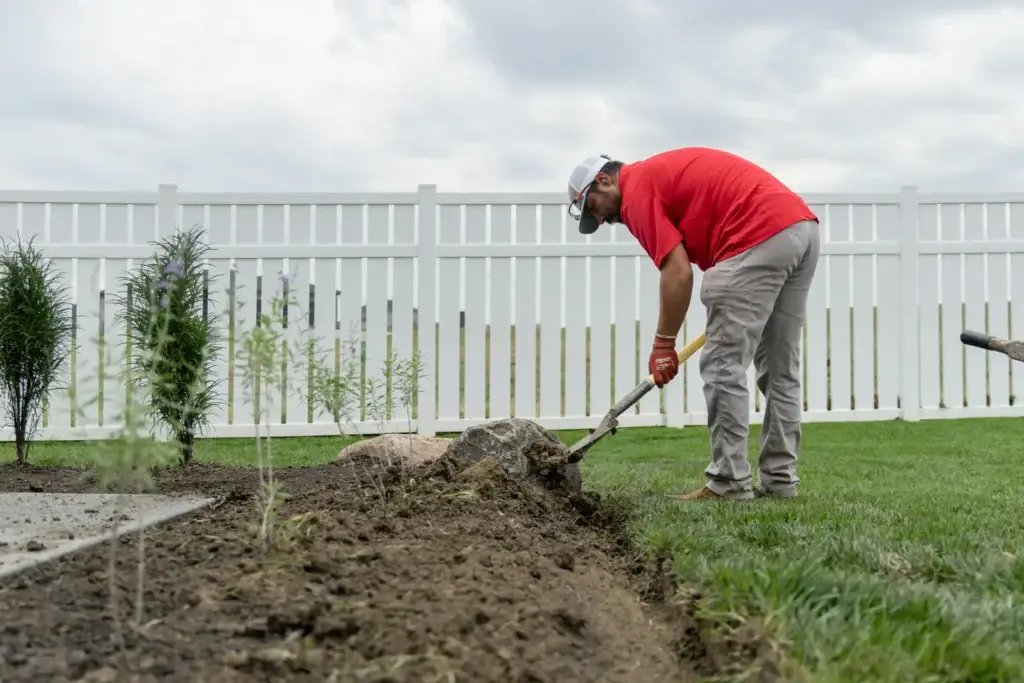
Bed areas are graded for water movement and amended to give roots breathing room in dense clay. Edging is installed to maintain separation from the lawn and prevent grass intrusion.

Plants go in at the right depth for each species, spaced for mature dimensions. Mulch regulates soil temperature and holds moisture through the dry stretches St. Louis summers reliably deliver.

How it works

Lawn Inspection and Consultation

Your dedicated RYAN Pro begins with a thorough inspection of your lawn, evaluating turf type, soil condition, and local climate to understand what your yard needs to thrive. (This could be a good place to add details about soil testing or evaluation methods.)

Dedicated landscape pros

Why St. Louis beds need more thought than they get

Established St. Louis neighborhoods are full of beds that were planted with good intentions and have declined within a few years. The pattern is almost always the same: plants picked for looks, installed into untreated clay, and left to compete with tree roots and fluctuating moisture.

A plan built on actual site conditions breaks that cycle. Your beds start with proper groundwork and species that match the humidity, heat, and soil realities of your lot, so the landscape gets denser and more interesting over time.

ryan pro working with shrubs

Five-star landscape projects

Our landscaping customers say it best.

RYAN pro smiling at the camera

Ready for beds that hold their own through St. Louis seasons?

Your property has the potential for beds that add real visual weight, color through the growing season, and structure in winter.

Planting & Bed Installation FAQs

Usually, yes. Repeated failures typically point to a soil or drainage problem. The process identifies what went wrong and corrects the underlying issue before replanting.

High humidity promotes fungal disease in species that aren’t adapted to it. The plant list leans toward varieties with natural disease resistance and open, airy growth habits.

Supplemental watering during the first growing season helps new roots establish, particularly through drier stretches of July and August. Once established, most well-selected species need significantly less attention.

Bed layout responds to your home’s architecture, existing features, and the visual balance of the property. Drainage flow, sun exposure, and root zones of mature trees also shape where beds go.

New beds can be integrated with mature plantings, existing hardscape, or previously installed elements so the finished result feels cohesive.