Consistent bed care through St. Louis's demanding summers
When planting beds are tidy, and the ornamentals are healthy, the whole landscape feels composed and cared for.
St. Louis’s growing conditions make regular bed care especially important. Long humid summers push fungal pressure higher, heat stress shows up quickly in shallow-rooted plantings, and fast-growing weeds can overtake a neglected bed within a few weeks. Regular professional attention keeps those pressures from gaining a foothold on your property.
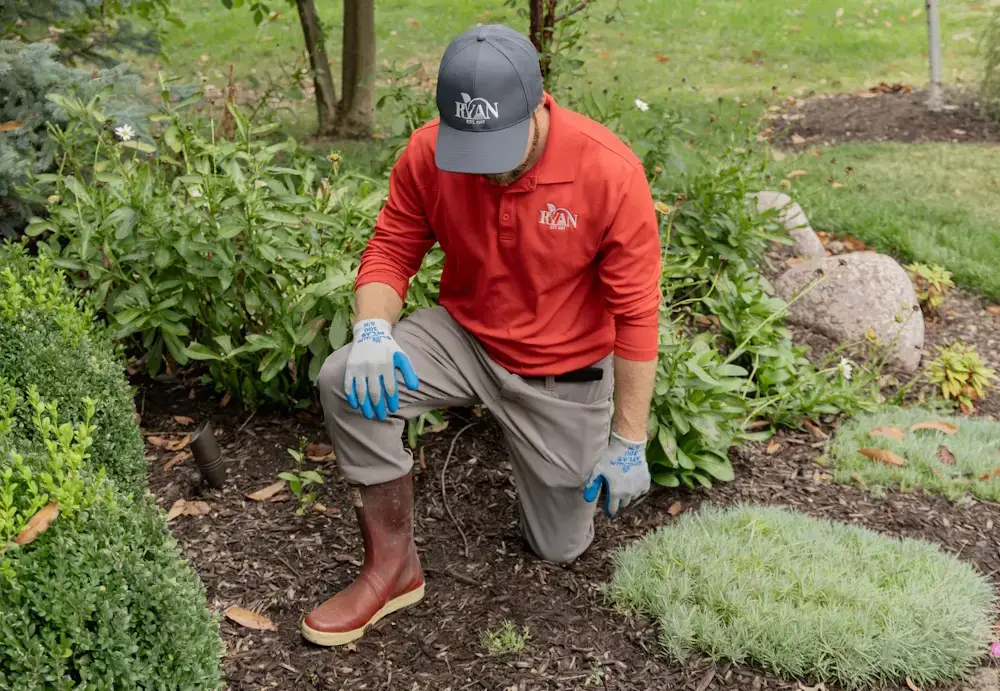
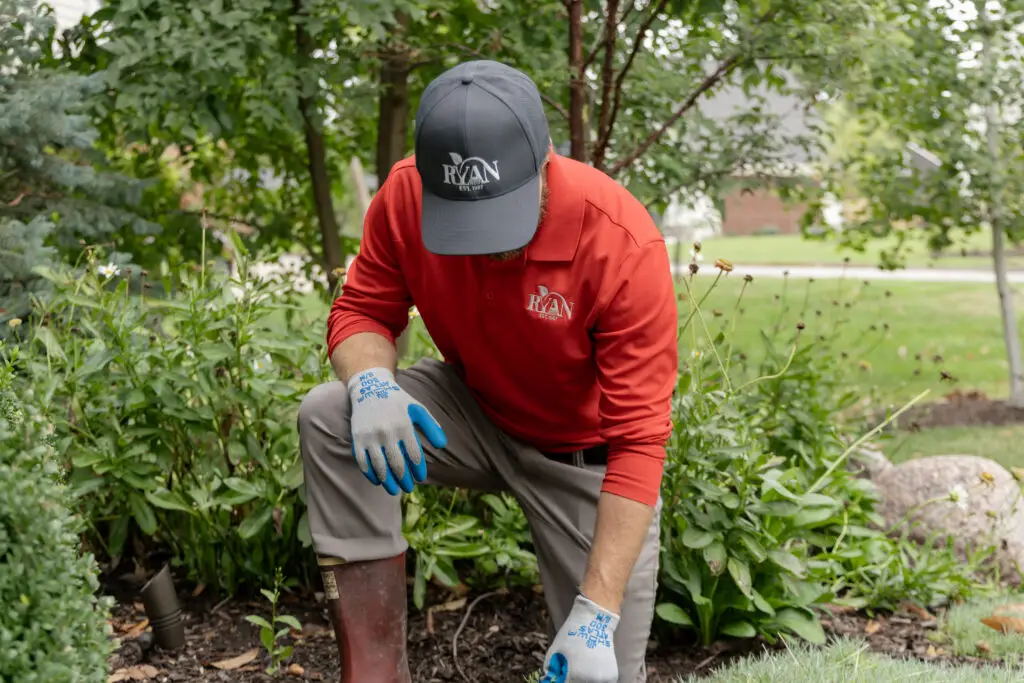
Each visit begins with a close evaluation of your planting beds, checking edges, soil condition, plant health, and any signs of pest or disease activity that need early intervention.
Weeding and Cultivation
Weeds are removed by hand, and beds are cultivated to break up soil crusting. This keeps root zones healthy and prevents the compacted, neglected look that accumulates between professional visits.
Pruning and Plant Care
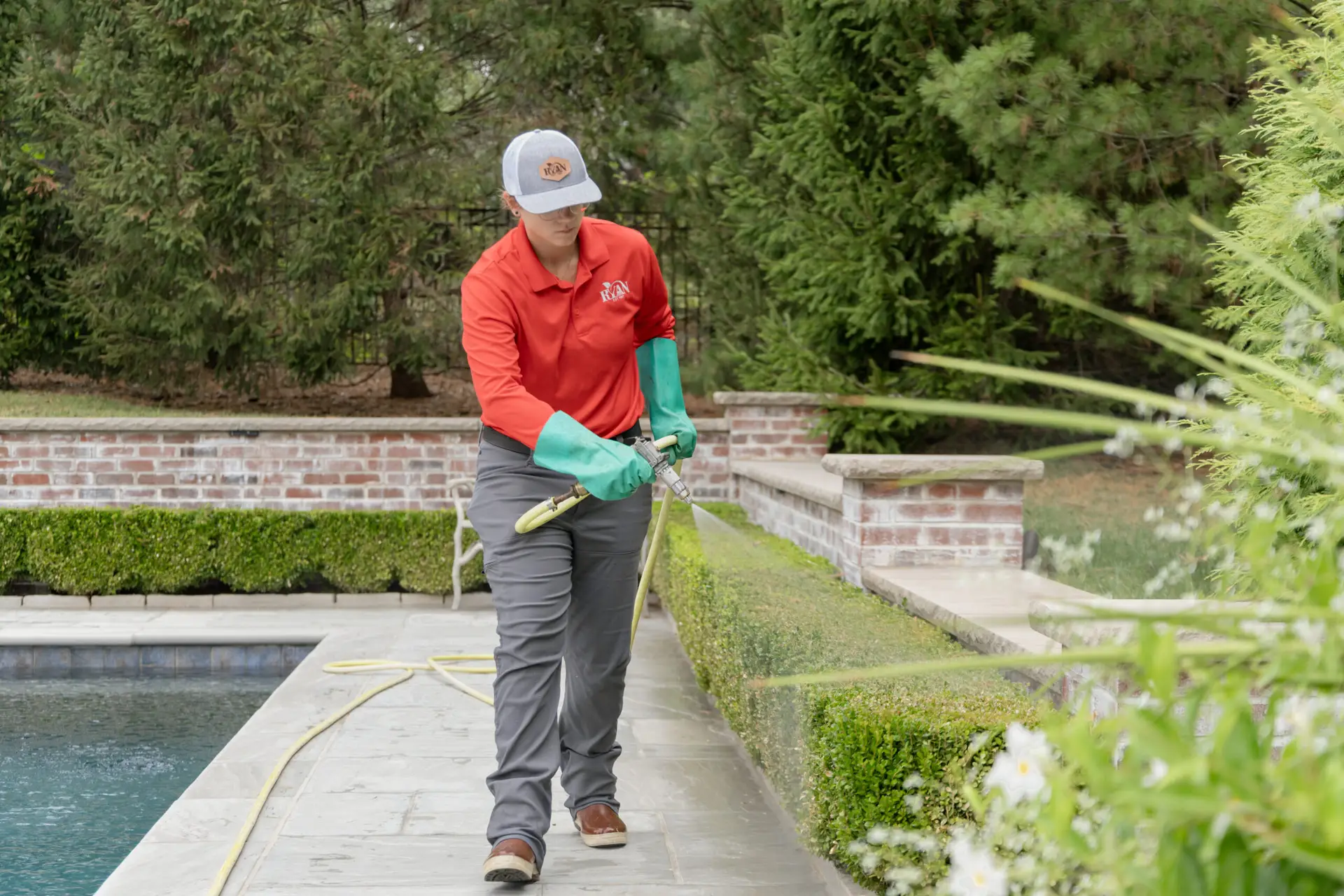
Ornamentals, perennials, and shrubs are pruned for health and shape. Dead or damaged material is removed, and plantings are given the room and airflow they need to thrive through the season.
Ongoing Monitoring and Support
After each visit, your crew notes any emerging concerns, including early disease signs, plantings that may need replacement, or areas where conditions have changed. You always know where your beds stand.
How it works
Lawn Inspection and Consultation
Your dedicated RYAN Pro begins with a thorough inspection of your lawn, evaluating turf type, soil condition, and local climate to understand what your yard needs to thrive. (This could be a good place to add details about soil testing or evaluation methods.)
Personalized Fertilization Plan
Spring Pre-Emergent and Fertilizer
Targeted Weed Control
Mid-Season Monitoring
Fall Fertilizer Application
Winterizer Fertilizer
Ongoing Support
Dedicated landscaping pros
Why bed care runs differently in St. Louis
St. Louis sits right in the zone where southeastern humidity meets Midwestern temperature swings, and that combination creates growing conditions that demand more attention than many homeowners expect. Beds that look perfect in May can develop visible problems by July if fungal pressure, heat stress, or weed encroachment isn’t caught early.
Regular monitoring through the full growing season is what keeps those issues from compounding. Pruning on each plant’s growth cycle and removing weeds before root systems establish keep things under control. Catching disease early means beds look better in September than they did in June. That’s what separates a maintained landscape from one that just had a good spring planting.
RYAN came out and treated carpenter ants that were in my tree. Very professional, reasonably priced, and prompt. High attention to detail. Will use them again!
Michael K.
Ryan Lawn & Tree has been servicing our lawn and landscaping for the last few years, and it has never looked better! I also love their shrub and flower insect preventative spray, and all they do to keep our landscape looking beautiful. Victoria is a pleasure to work with!
Karen G.
So happy I signed up for Ryan Lawn & Tree this year. JD has been so professional and responsive and keeps me informed about my lawn, and it looks GREAT! I would recommend to anyone.
Interested in professional bed care for your St. Louis property?
Your planting beds sit in the part of the landscape that people read up close and from the street. A bed care consultation looks at how those areas are performing across the season and where targeted attention will make the biggest difference.
Most St. Louis properties benefit from regular bed care visits during the growing season. Frequency depends on bed count, planting density, and how quickly weeds and growth accumulate on your specific property.
Seasonal cleanups are the larger opening and closing passes for the year. Bed care is the regular upkeep in between, where weeds and pruning are handled before they become visible problems.
Yes. Bed care focuses on maintaining and improving what’s already in your landscape. If plantings need replacement or beds need redesigning, that’s a separate conversation, but your existing landscape still gets full attention.
Regular monitoring catches most issues early. When treatment is needed, your crew identifies the specific problem and uses targeted solutions in place of blanket chemical treatments.
It’s usually the single most visible maintenance improvement homeowners notice. Clean, healthy beds elevate the entire property, and the difference between maintained and unmaintained beds becomes more obvious the longer care continues.