

Annual Flower Planting in St. Louis

Year-round color that keeps pace with the seasons

Each rotation picks up where the last one left off — spring pansies, summer blooms, fall warmth, and winter greens that keep the beds looking right.

Beds that actually reflect the time of year

Annual flowers are what give your property its most visible seasonal expression. Perennials and shrubs provide structure, but it’s annuals that deliver concentrated color and that crisp, current look that makes a landscape feel actively maintained. When flower rotations are timed well, and varieties are chosen for the conditions, your property carries that intentional polish from the first warm weeks of spring through the last of fall.

In St. Louis, the growing window for annuals runs longer than many Midwestern markets, but the combination of summer humidity and heat narrows the list of varieties that actually perform well through July and August. Professional selection makes that difference visible.

Benefits That Show

How it works

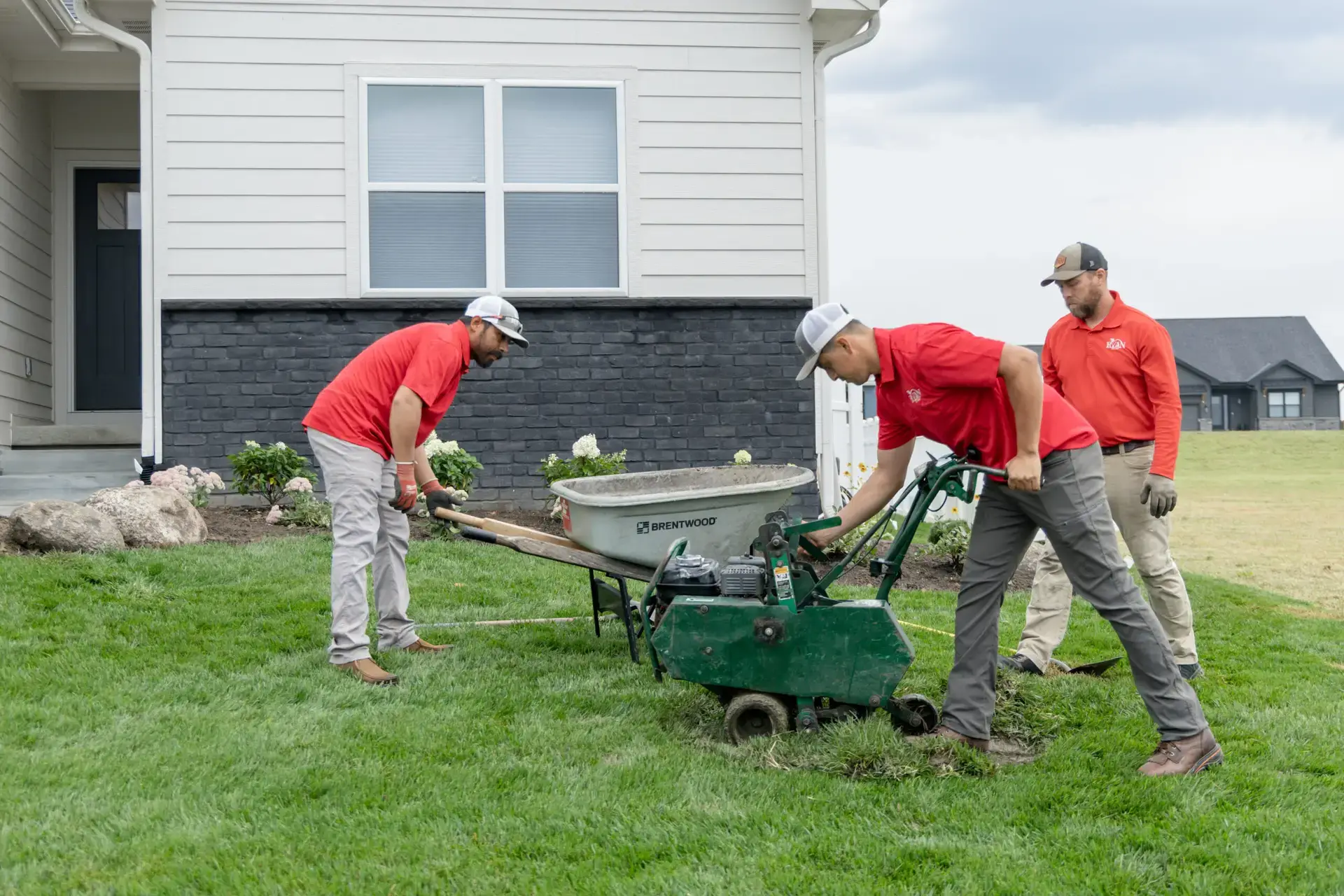
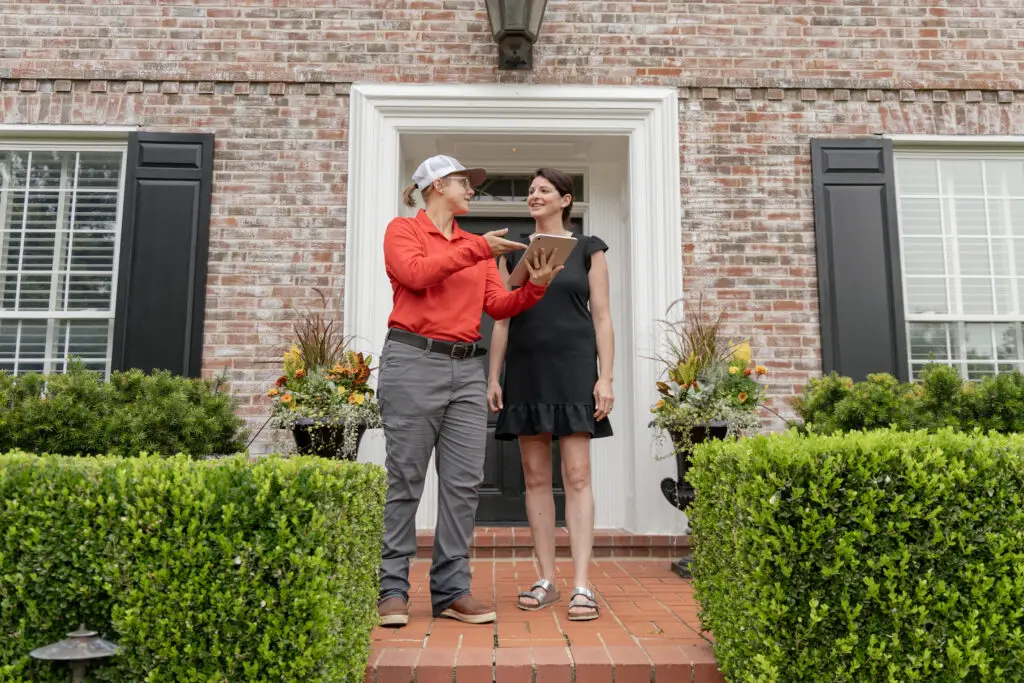
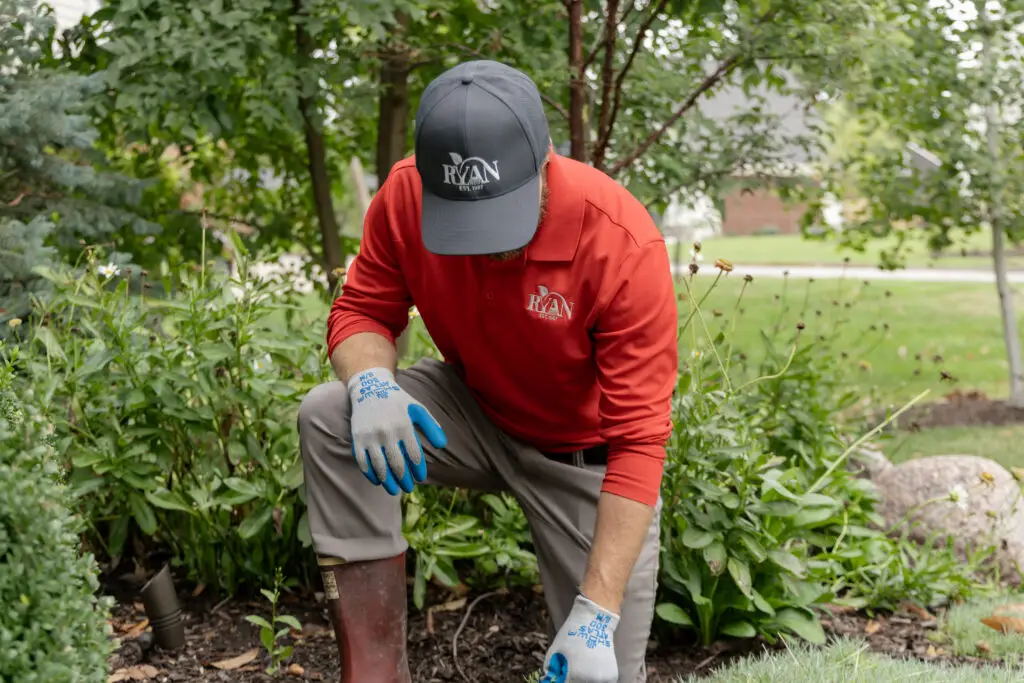
ryan pro helping a customer

Property Assessment

Your RYAN crew assesses your property’s planting areas, including sun exposure, soil conditions, visibility from the street, and which zones benefit most from seasonal color. The plan is tailored to your property.

Flower varieties are chosen based on your property’s specific conditions and the season ahead. Selections prioritize lasting performance and color impact over the full planting window.

Flowers are installed with proper spacing and soil preparation. Good installation technique extends bloom life and improves root establishment, so the planting looks polished from day one.

As one season’s planting runs its course, the next rotation is planned and timed to replace it. One palette transitions into the next, so the property keeps a finished look.

How it works

Lawn Inspection and Consultation

Your dedicated RYAN Pro begins with a thorough inspection of your lawn, evaluating turf type, soil condition, and local climate to understand what your yard needs to thrive. (This could be a good place to add details about soil testing or evaluation methods.)

Dedicated landscape designers

Why variety selection matters in St. Louis

The difference between annuals that perform all season and annuals that fade by midsummer often comes down to variety selection and planting timing. St. Louis summers bring sustained heat and humidity that stress many popular annual varieties. Impatiens that looked vibrant in May can collapse by mid-July. Similarly, petunias that thrived in a cooler market may struggle when nighttime temperatures stay above 70 degrees for weeks straight.

Professional variety selection accounts for these realities. Sun-loving annuals get placed where they’ll perform best. Shade varieties are chosen for disease resistance in humid conditions. And timing is calibrated so new plantings arrive established enough to handle whatever the forecast brings.

ryan pro working with shrubs

Five-star landscape projects

Our landscaping customers say it best.

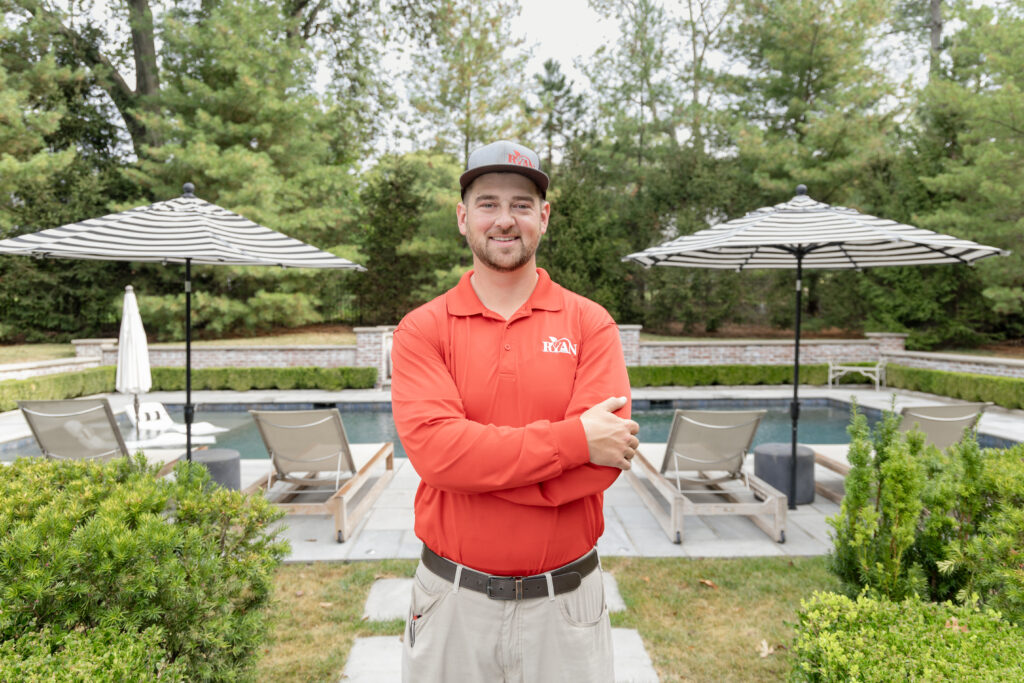
RYAN pro smiling at the camera

Want beds that look intentional in every season?

What you get is a property that looks actively maintained and current throughout the year. That kind of polish accumulates, and it’s one of the most cost-effective ways to keep your landscape looking elevated.

Annual Flower Planting FAQs

Most St. Louis properties benefit from two to three rotations, usually spring, summer, and fall planting. Some homeowners add winter containers for year-round color at the front entry.

Heat-tolerant varieties like lantana, pentas, angelonia, and sun coleus hold up well through St. Louis’s hottest months. Specific selections depend on your property’s sun exposure and soil.

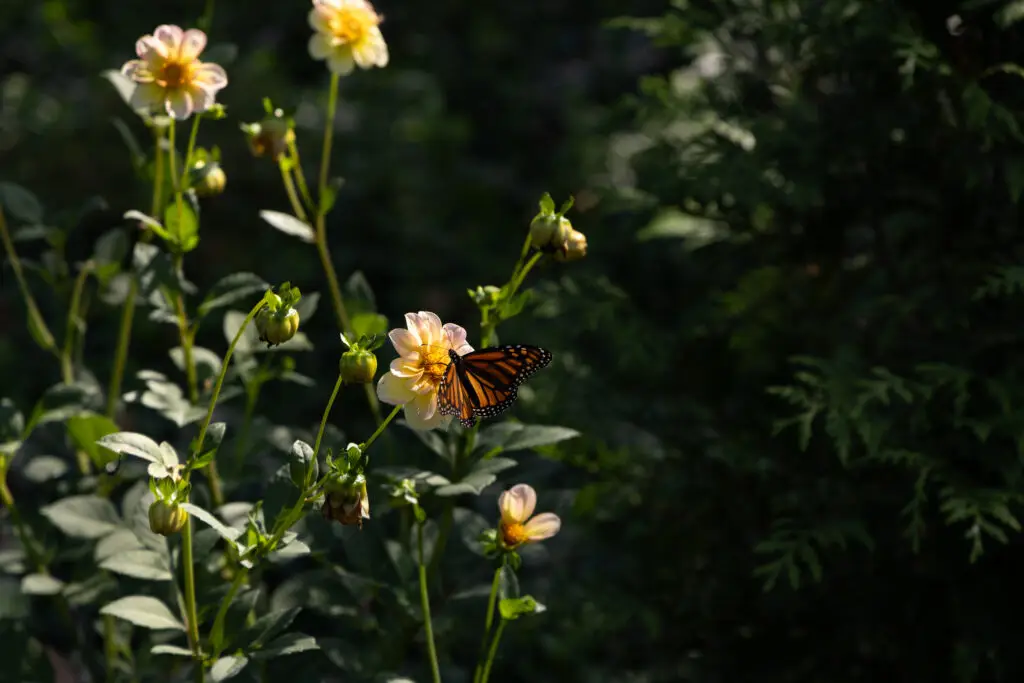
Many annual varieties are excellent pollinator plants. If attracting butterflies and bees is a priority, your crew can select varieties that support that while still delivering the color and curb appeal you want.

Most annuals show their full visual impact within two to three weeks of installation. Proper spacing during planting ensures beds fill in evenly without overcrowding as plants mature.

They can. Annuals and perennials complement each other well. Perennials provide the structure, and annuals fill in the seasonal color around them. Together, they keep beds looking complete year-round.